


Effective Pest Control Solutions for Homes and Businesses
Updated: Feb 11
Pests can be a significant nuisance for both homeowners and business owners. From ants invading your kitchen to rodents scurrying through your office, these unwanted guests can cause damage, spread diseases, and create an uncomfortable environment. Fortunately, there are effective pest control solutions available that can help you manage and eliminate these issues. In this blog post, we will explore various strategies and methods for pest control, ensuring your home or business remains pest-free.

Understanding Common Pests
Before diving into pest control solutions, it's essential to understand the types of pests you may encounter. Here are some of the most common pests found in homes and businesses:
Ants
Ants are social insects that can invade homes in search of food. They can be particularly troublesome in kitchens and dining areas. Common species include:
Carpenter ants: These can damage wooden structures.
Sugar ants: Attracted to sweet substances.
Fire ants: Known for their painful stings.
Coastal Brown Ants: Known for being one of the world’s most invasive ant species.
Black Ants: Persistant household pests that forage in long trails for sweet, greasy, or sugery foods.
Rodents
Rodents, such as mice and rats, can cause significant damage to property and pose health risks. They reproduce quickly and can contaminate food supplies.
Cockroaches
Cockroaches are resilient pests that thrive in warm, humid environments. They can spread diseases and trigger allergies.
Termites
Termites can cause severe structural damage to homes and businesses. They feed on wood and can go unnoticed until significant damage has occurred.
Bed Bugs
Bed bugs are small, nocturnal insects that feed on human blood. They can be challenging to eliminate and often require professional intervention.
Prevention Strategies
Preventing pest infestations is often more effective than dealing with them after they occur. Here are some practical prevention strategies:
Seal Entry Points
Inspect your property for cracks and openings where pests can enter. Seal these gaps with caulk or weather stripping to prevent access.
Maintain Cleanliness
Regular cleaning can deter pests. Ensure that food is stored in airtight containers, and keep surfaces free of crumbs and spills.
Manage Waste
Proper waste management is crucial. Use sealed trash bins and regularly dispose of garbage to reduce attractants.
Landscaping
Keep vegetation trimmed and away from the building. This reduces hiding spots for pests and makes it harder for them to access your property.
Regular Inspections
Conduct regular inspections of your property to identify potential pest issues early. Look for signs of infestations, such as droppings or nests.
Effective Pest Control Methods
When prevention fails, it may be time to implement pest control methods. Here are some effective solutions:
Chemical Treatments
Chemical treatments can be effective for severe infestations. These include:
Insecticides: Target specific pests and can be applied as sprays or baits.
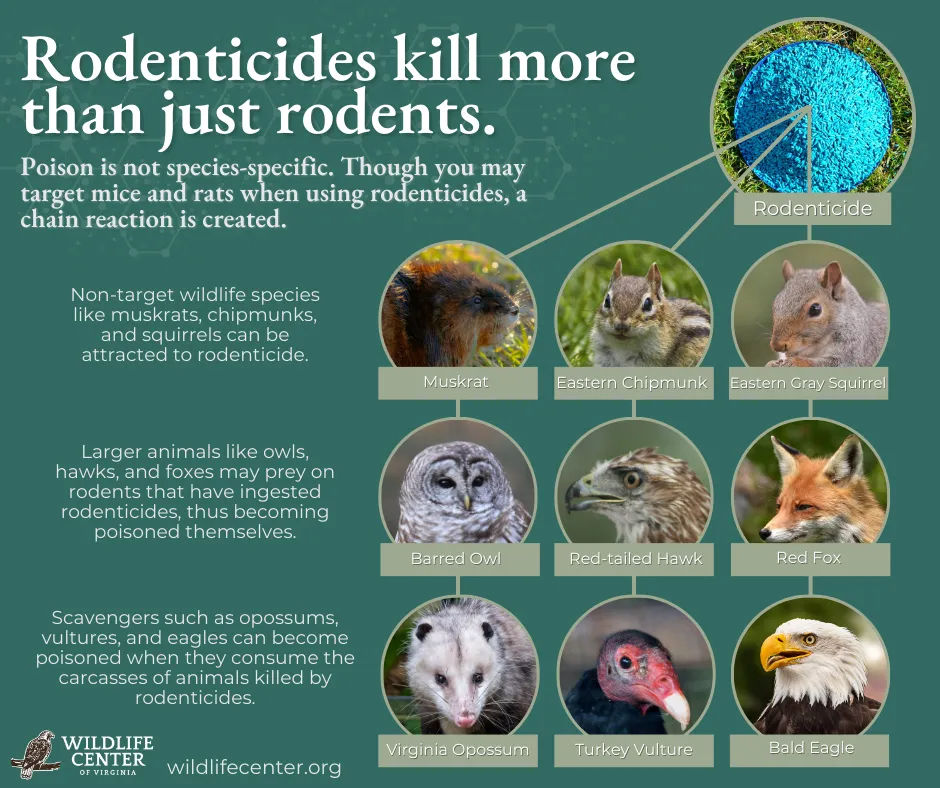
Rodenticides: Used to control rodent populations.
Always follow the manufacturer's instructions and consider hiring a professional for application.
Biological Control
Biological control involves using natural predators to manage pest populations. For example, introducing ladybugs can help control aphid populations in gardens.
Traps
Traps can be a humane way to manage pests. Options include:
Sticky traps: Effective for insects like cockroaches.
Snap traps: Commonly used for rodents.
Integrated Pest Management (IPM)
IPM is a holistic approach that combines various pest control methods. It focuses on long-term prevention and minimizes the use of chemicals. Key components include:
Monitoring pest populations.
Identifying pest species.
Implementing a combination of control methods.
Professional Pest Control Services
For persistent pest issues, hiring a professional pest control service may be the best option. Here are some benefits of using professionals:
Expertise
Pest control technicians are trained to identify and treat various pest problems effectively. They can provide tailored solutions based on your specific needs.
Safety
Professionals use safe and effective methods to eliminate pests while minimizing risks to humans and pets.
Long-term Solutions
Many pest control services offer ongoing maintenance plans to prevent future infestations, ensuring your property remains pest-free.
DIY Pest Control Tips
If you prefer a hands-on approach, here are some DIY pest control tips:
Essential Oils
Certain essential oils, such as peppermint and tea tree oil, can repel pests. Mix with water and spray around entry points.
Vinegar Solutions
A mixture of vinegar and water can deter ants and other insects. Spray it in areas where you’ve seen pest activity.
Baking Soda and Sugar
For cockroaches, a mixture of baking soda and sugar can be an effective bait. The sugar attracts them, while the baking soda kills them.
Diatomaceous Earth
This natural powder can be sprinkled in areas where pests are active. It dehydrates insects and is safe for humans and pets.
When to Call a Professional
While DIY methods can be effective for minor infestations, some situations require professional intervention. Consider calling a pest control service if:
You have a severe infestation.
You are unsure of the pest type.
DIY methods have failed.
You want a long-term solution.
Conclusion
Effective pest control is essential for maintaining a safe and comfortable environment in both homes and businesses. By understanding common pests, implementing prevention strategies, and utilizing effective control methods, you can keep your property pest-free. Whether you choose to tackle the issue yourself or hire a professional, taking action is crucial. Remember, the sooner you address a pest problem, the easier it will be to manage. Stay vigilant, and don’t let pests take over your space!


Comments